
7 Golden Rules for Writing Blog Posts with AI (2025 Guide)
Use AI as your co‑writer — not your replacement. Follow these practical rules to write faster, rank better, and convert readers.
1) Always Start with a Human Outline

Before you ask an AI model to write anything, define a clear outline with H2/H3 headings, bullet points, and the key message of each section. This keeps the content on‑brand and coherent.
Quick prompt: “Here’s my outline. Fill it with 800 words in a clear, friendly tone. Keep paragraphs short (2–3 sentences).”
2) Write Clear, Structured Prompts

Great outputs start with great inputs. Specify target audience, length, tone, keywords, and format. Provide a sample paragraph if possible.
Prompt template: “Write a 600–800 word blog post for beginners. Primary keyword: ‘ai blog writer’. Tone: practical and encouraging. Include examples and a CTA at the end.”
3) Add Visuals to Every Section

Custom visuals increase time on page and social shares. Generate clean, on‑brand illustrations or screenshots and add descriptive alt text for accessibility and image SEO.
4) Edit and SEO‑Optimize the AI Draft
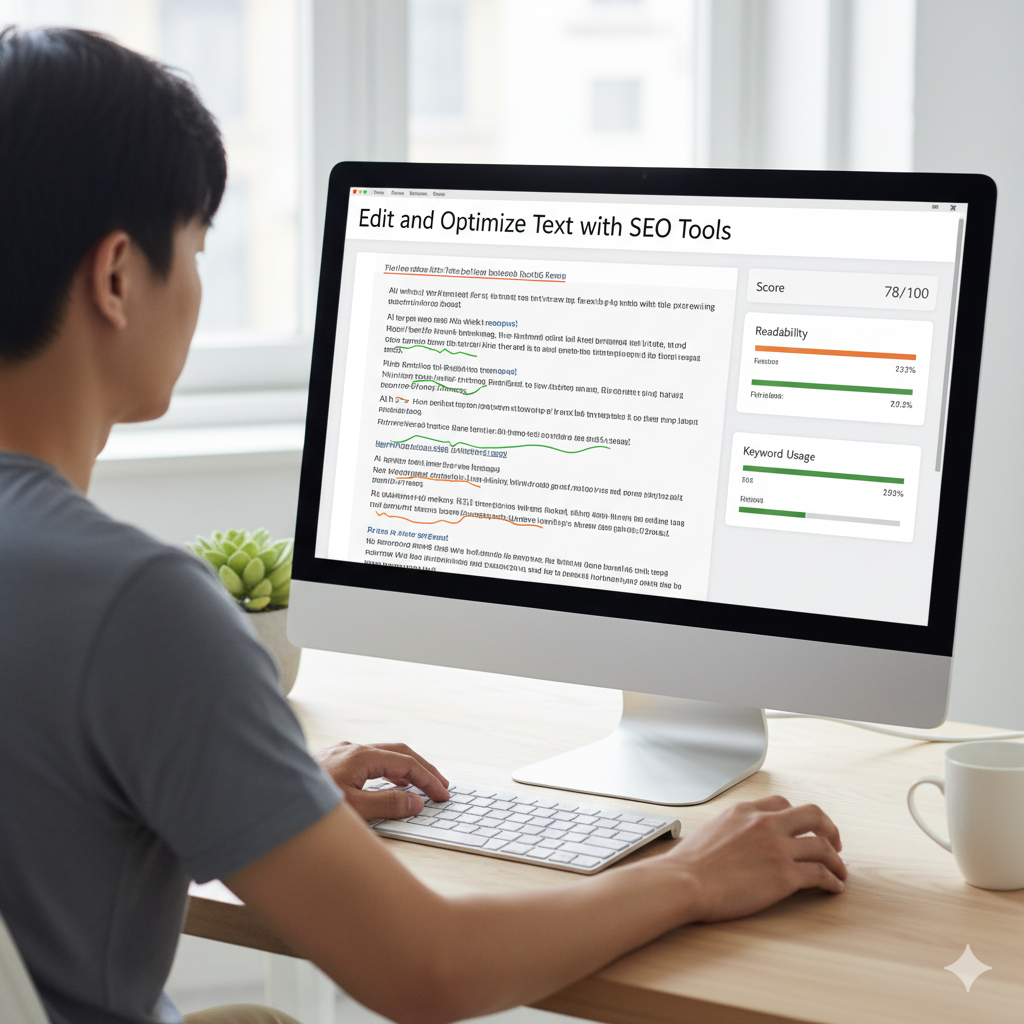
- Refine headings, transitions, and examples.
- Add internal links to related Mindfoy posts.
- Use Yoast/RankMath to tune meta title, meta description, and keyword density.
- Ensure E‑E‑A‑T signals: add an author bio and last‑updated date.
5) Keep Paragraphs Short and Readable

Break long blocks into 2–3 sentence paragraphs. Use subheadings, bullets, and callouts. This boosts mobile readability and helps Google extract better snippets.
6) End with a Clear Call to Action (CTA)

Invite the reader to subscribe, download a checklist, or try an AI tool via your affiliate link.
Example CTA: “Loved this guide? Join our free weekly email — Mindfoy Weekly — for one practical AI tip every Monday.”
7) Repurpose the Same Post Across Platforms

- YouTube Shorts: Turn each rule into a 15–30s clip.
- LinkedIn: Share a carousel summarizing the rules.
- Pinterest: Pin the header image and key graphics.
Closing
AI isn’t the end of writing — it’s a new workflow. Apply these seven rules and let AI work with you, not instead of you.